“Content is king” has been one of the most repeated ideas in digital marketing for more than two decades. It remains true. Useful, credible, well-crafted content is still the foundation of how brands earn attention and trust.
But content on its own does not guarantee results. Every day, businesses publish blogs, videos, reports, and social posts that almost nobody sees. The problem is rarely the quality of the work. It is the lack of a plan to get that work in front of the right people.
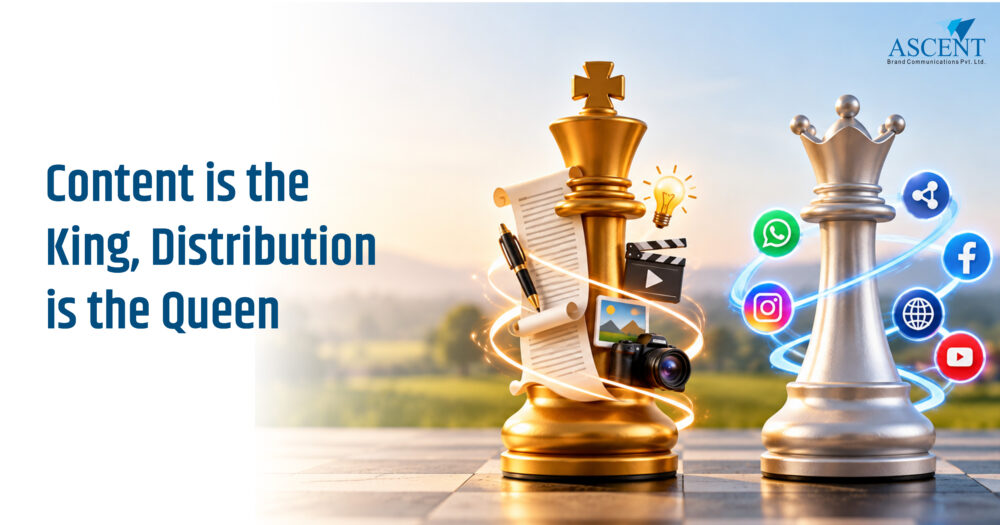
That is why distribution deserves equal attention. If content is the king, distribution is the queen: the more powerful piece on the board, able to move in every direction and decide the outcome of the game.
This guide explains why distribution matters more than ever in 2026, which channels work today, and how to build a content distribution strategy that turns good content into measurable business results.
Key Takeaways
- Creating content is only half the job. Without a distribution plan, even excellent content struggles to reach its audience.
- AI-generated search summaries are reducing clicks to websites, so brands need to be visible inside AI answers as well as in search results.
- Short-form video, messaging apps, and community platforms have become essential distribution channels.
- Repurposing one strong piece of content into several formats increases reach without multiplying effort.
- Distribution should be planned before content is created, not after it is published.
Why Great Content Alone Is No Longer Enough
The volume of content being published has grown enormously, and generative AI has made it even easier to produce. As a result, audiences are more selective, and algorithms are more competitive. Being good is necessary, but being found is what drives results.
Search behaviour is also changing. A Pew Research Center study found that Google users clicked on a traditional search result in 8% of visits when an AI summary appeared, compared with 15% when no summary was shown. Links inside the AI summaries themselves were clicked in only 1% of visits.
This does not mean search is less important. It means brands can no longer rely on a single route to their audience. Content must be structured so AI systems can understand and cite it, and it must also reach people directly through video, social platforms, email, messaging apps, and communities.
In India, the audience opportunity is very large. The IAMAI and Kantar Internet in India Report 2025 counts 958 million active internet users in the country, and 588 million of them watched short-video content in 2025. Reaching this audience requires active, multi-channel distribution.
What Is Content Distribution?
Content distribution is the process of sharing, publishing, and promoting content across the channels where your audience spends time. A useful way to organise these channels is the PESO model:
Paid media. Content promoted through advertising, such as sponsored social posts, search ads, video ads, and paid partnerships.
Earned media. Coverage and mentions you earn from others, such as press features, reviews, backlinks, and citations in AI-generated answers.
Shared media. Content spread through social platforms, messaging apps, and communities, often by your audience itself.
Owned media. Channels you control directly, such as your website, blog, email list, and brand social profiles.
The strongest strategies combine all four. Owned media builds long-term assets, earned media builds credibility, shared media builds reach, and paid media accelerates results.
Content Distribution Channels That Work in 2026
Search and AI Search
Search remains one of the most valuable long-term distribution channels, but it now includes AI-generated answers on Google and on AI assistants.
How to use it:
- Answer specific questions clearly and directly, especially in the opening lines of each section.
- Use a logical heading structure, short paragraphs, tables, and FAQ sections that are easy for both readers and AI systems to understand.
- Show expertise with original insights, real examples, author credentials, and cited data.
- Keep important pages updated with current information.
- Build credible mentions and links from trusted industry publications.
Short-Form Video
Short video has become one of the most effective ways to reach audiences in India across age groups, regions, and income levels.
How to use it:
- Turn key ideas from long-form content into 30 to 60 second videos.
- Use YouTube Shorts, Instagram Reels, and similar formats to reach new audiences.
- Lead with the most useful or surprising point within the first few seconds.
- Create regional language versions where your audience prefers them.
LinkedIn and Professional Platforms
For B2B brands, LinkedIn is one of the strongest distribution channels, especially when content is shared by people rather than only by company pages.
How to use it:
- Encourage leaders and subject experts to share insights in their own voice.
- Use native formats such as document posts, short videos, and newsletters.
- Engage with comments and conversations to extend reach.
Instagram, YouTube, and Facebook
These platforms remain central for consumer brands and increasingly useful for B2B storytelling.
How to use it:
- Adapt content to each platform’s format instead of posting the same asset everywhere.
- Use YouTube for longer explainers, case studies, and tutorials that continue to attract views over time.
- Use Facebook groups and pages to reach regional and community audiences.
WhatsApp and Messaging Channels
In India, messaging apps are one of the most direct ways to reach an audience. WhatsApp Business, broadcast lists, and channels allow brands to share content with people who have chosen to hear from them.
How to use it:
- Share useful content such as tips, updates, and short videos, rather than constant promotion.
- Segment audiences so messages stay relevant.
- Respect frequency and consent to maintain trust.
Email Newsletters
Email remains one of the most reliable owned channels because it does not depend on changing platform algorithms.
How to use it:
- Send a regular newsletter that curates your best content and insights.
- Personalise content by audience segment, such as industry or role.
- Use clear subject lines and a single primary call to action.
Communities, Partnerships, and PR
Content travels further when trusted voices share it.
How to use it:
- Contribute expert articles to industry publications.
- Partner with complementary brands, associations, and creators for co-created content.
- Share original research and data that journalists and analysts can reference.
- Participate genuinely in relevant online communities.
Paid Amplification
Paid distribution helps high-performing content reach larger or more specific audiences quickly.
How to use it:
- Promote content that has already shown strong organic engagement.
- Target by role, industry, region, language, or interest.
- Use retargeting to reconnect with people who have already engaged with your brand.
Offline and Experiential Channels
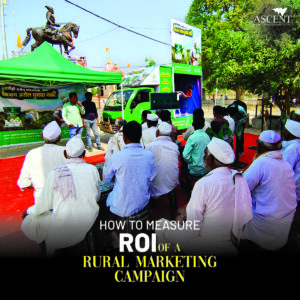
Distribution is not only digital. Events, exhibitions, brand activations, and on-ground campaigns create moments where content can be shared, filmed, and then distributed online.
How to use it:
- Capture event talks, customer stories, and activations as video and social content.
- Use QR codes and simple calls to action to connect offline audiences with digital content.
Create Once, Distribute Many Times
One of the most efficient distribution strategies is repurposing. Instead of creating a new piece of content for every channel, build one strong core asset and adapt it.
For example, a detailed industry report can become:
- A long-form blog article optimised for search and AI answers
- A series of LinkedIn posts, each highlighting one key insight
- Three to five short videos featuring the main findings
- An email newsletter feature
- A webinar or panel discussion
- Infographics for social media and presentations
- A press release and media pitch
- Talking points for the sales team
This approach increases reach, keeps messaging consistent, and gives each piece of content a longer and more productive life.
How to Build a Content Distribution Strategy
1. Define Your Audience and Goals
Be clear about who you want to reach and what you want them to do. Awareness, lead generation, and customer retention each require different content and channels.
2. Map Where Your Audience Spends Time
Research which platforms, publications, communities, and formats your audience actually uses. A procurement head, a college student, and a farmer consume content in very different ways.
3. Plan Distribution Before Creation
Decide how and where content will be distributed before you create it. This shapes the format, length, and structure from the start.
4. Choose a Core Asset and Repurpose It
Build each campaign around one strong piece of content, then adapt it for each channel.
5. Build a Distribution Calendar
Schedule when and where each piece will be shared. Include organic posts, email, paid promotion, PR outreach, and follow-up content.
6. Involve Your People
Employees, leaders, partners, and customers can extend your reach significantly when they share content in their own networks.
7. Measure and Refine
Track performance by channel and content type. Put more effort behind what works and adjust what does not.
How to Measure Content Distribution Success
Useful metrics depend on your goals, but typically include:
- Reach and visibility: Impressions, views, search rankings, and mentions in AI-generated answers
- Engagement: Watch time, shares, comments, saves, and time on page
- Traffic: Visits from search, social, email, referral, and messaging channels
- Conversions: Enquiries, sign-ups, downloads, and qualified leads
- Business impact: Pipeline influenced, sales, and customer retention
Because clicks from search are changing, it is also worth tracking brand search volume and direct traffic, which often rise when content is building awareness even without direct clicks.
Common Content Distribution Mistakes
- Publishing content and expecting the audience to find it
- Sharing the same post, unchanged, across every platform
- Focusing only on search and ignoring video, email, and messaging
- Promoting content once and never again
- Measuring only likes and views instead of business outcomes
- Treating AI search as a threat rather than a new channel to optimise for
Ascent in Practice: A Content Distribution Example
Client: [Client name or industry]
Challenge: [Brief description of the business problem the client faced]
Content created: [The core asset, such as a report, campaign film, or event]
Distribution approach: [Channels used, such as search, LinkedIn, short video, WhatsApp, email, PR, or on-ground activation, and how the content was repurposed]
Results: [Measurable outcomes, such as reach, engagement, enquiries, leads, or sales]
How Ascent Brand Communications Can Help
At Ascent Brand Communications, we believe content and distribution should be planned together from the start. We help brands create content that is useful and credible, and then build distribution plans that take it to the right audience across digital, social, search, and on-ground channels.
Our work spans digital marketing, content strategy, social media, brand activation, experiential marketing, and integrated campaigns. Whether you are building thought leadership, launching a product, or reaching new regional audiences, we connect strong content with the channels that deliver results.
Conclusion
Content is still the king. Without valuable, credible content, there is nothing worth distributing. But in 2026, distribution decides whether that content is seen, trusted, and acted upon.
With AI changing how people search, short video shaping how they consume information, and messaging apps shaping how they share it, brands need a deliberate, multi-channel approach. The businesses that plan distribution as carefully as they plan content will be the ones that turn attention into lasting growth.
If you want to get more value from your content, [get in touch with Ascent Brand Communications] to build a content and distribution strategy suited to your brand.
Frequently Asked Questions
What does “content is king, distribution is queen” mean?
It means that while quality content is essential, it only delivers results when it reaches the right audience. Distribution is what gives content its reach and impact.
What is a content distribution strategy?
A content distribution strategy is a plan for sharing and promoting content across owned, earned, shared, and paid channels so that it reaches the intended audience and supports business goals.
What are the best content distribution channels in 2026?
The most effective channels include search and AI search, short-form video, LinkedIn for B2B, Instagram and YouTube, WhatsApp and messaging channels, email newsletters, PR and partnerships, and paid social promotion. The right mix depends on your audience.
How is AI search changing content distribution?
AI-generated summaries answer many questions directly on the search page, which reduces clicks to websites. Brands now need content that is clear, well-structured, and credible enough to be cited in AI answers, along with direct channels such as email, video, and messaging.
What is content repurposing?
Content repurposing means adapting one core piece of content, such as a report or webinar, into multiple formats like blog posts, short videos, social posts, and newsletters. It increases reach without starting from scratch each time.
How do you measure content distribution success?
Track reach, engagement, traffic by channel, conversions, and business outcomes such as leads and sales. Brand search volume and direct traffic are also useful signs of growing awareness.