Introduction
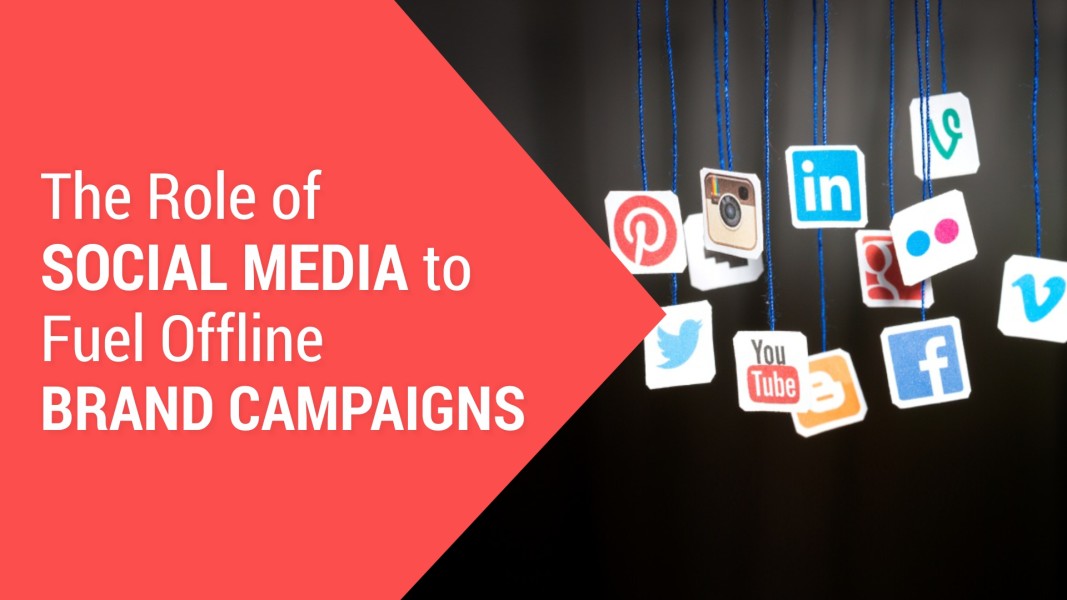
In today’s interconnected world, the boundaries between online and offline marketing are blurring. Social media has emerged as a powerful catalyst that bridges these realms, amplifying the impact of offline brand campaigns. Whether it’s a product launch, a promotional event, or a grassroots marketing effort, social media can significantly enhance reach, engagement, and overall campaign success. This blog explores how social media drives offline campaigns, the benefits it offers, and actionable strategies to maximize results.
How Social Media Supports Offline Campaigns
1. Amplifying Awareness
Social media platforms provide a massive audience base to generate buzz for offline campaigns. A well-crafted social media strategy can turn a local event into a global conversation.
Example: A local music festival promoted through Instagram Reels and Facebook ads can attract attendees from neighboring cities.
2. Real-Time Engagement
Platforms like Twitter, Instagram, and Facebook allow real-time interaction during offline campaigns.
Example: Live streaming events on Instagram or YouTube gives remote audiences a front-row seat.
Polls and Q&A sessions encourage on-the-spot engagement.
3. Driving Foot Traffic
Social media campaigns can direct audiences to physical locations through geotargeted ads, event promotions, or time-limited offers.
Example: A restaurant’s Instagram post featuring a “Happy Hour” special can bring in nearby customers.
4. User-Generated Content (UGC)
Encouraging attendees to share their experiences on social media creates authentic, shareable content.
Example: A branded hashtag campaign motivates users to post their photos, videos, or reviews from the event, expanding reach organically.
Key Benefits of Integrating Social Media with Offline Campaigns
1. Cost-Effective Amplification
A single social media post or ad can reach thousands at a fraction of the cost of traditional media.
2. Measurable Impact
Social media metrics (likes, shares, clicks) provide insights into the campaign’s success and audience preferences.
3. Enhanced Brand Recall
Combining offline interactions with online touchpoints strengthens brand recognition and loyalty.
4. Broader Audience Reach
Offline campaigns are often geographically limited, but social media extends their visibility to a global audience.
Strategies to Leverage Social Media for Offline Campaigns
1. Create a Unified Hashtag
Develop a campaign-specific hashtag to unify content across platforms.
Tip: Ensure the hashtag is short, memorable, and relevant.
2. Leverage Influencer Marketing
Collaborate with influencers to promote the offline campaign to their followers.
Tip: Choose influencers whose audience aligns with your target demographic.
3. Invest in Paid Advertising
Use geotargeted and interest-based ads to reach the right audience.
Tip: Platforms like Facebook and Google Ads offer robust targeting tools for precision.
4. Post Event Highlights
Share photos, videos, and testimonials after the event to sustain momentum and attract future participation.
Real-Life Example: Nike’s “House of Innovation” Campaign
Nike used social media to promote its “House of Innovation” pop-up stores. With interactive Instagram stories, exclusive Twitter announcements, and influencer collaborations, they generated immense hype, driving massive foot traffic to the stores. User-generated posts with branded hashtags further amplified the campaign’s reach and impact.
FAQs
Q1. Can social media replace offline campaigns entirely?
No, social media and offline campaigns complement each other. Offline campaigns create tangible experiences, while social media amplifies and extends their reach.
Q2. How can small businesses benefit from this integration?
Small businesses can use cost-effective social media tools like organic posts, stories, and geotargeted ads to promote local events and offers, driving more foot traffic and engagement.
Q3. Which social media platforms work best for offline campaigns?
It depends on the target audience. Instagram and Facebook are ideal for visual storytelling, while Twitter excels at real-time updates. LinkedIn is great for B2B campaigns, and TikTok can attract younger demographics.
Q4. How do I measure the success of my integrated campaign?
Track metrics like event attendance, social media engagement, branded hashtag usage, and ROI from geotargeted ads to evaluate effectiveness.
Q5. What role does content play in these campaigns?
Compelling and consistent content ensures that the message resonates across platforms, enhancing audience connection and recall.
Conclusion
Social media has revolutionized how brands approach offline campaigns, providing tools to amplify reach, engage audiences, and drive measurable outcomes. By integrating both realms effectively, businesses can create cohesive, impactful campaigns that deliver tangible results. Whether you’re hosting a local event or launching a global initiative, leveraging social media will ensure your offline efforts leave a lasting impression. Embrace this synergy and fuel your campaigns like never before!