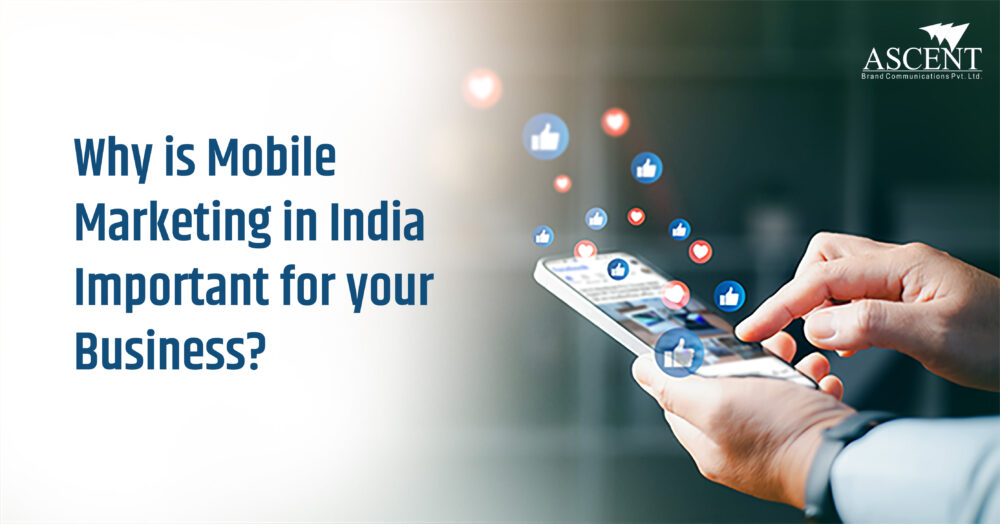
India has become one of the largest mobile-first markets in the world. For businesses trying to reach customers, build brand loyalty, or drive sales, mobile marketing is no longer optional. It is the primary channel through which most Indians discover, research, and buy products today.
This article looks at why mobile marketing matters so much in the Indian context, the numbers behind that shift, the channels that work best, and how a business can build a practical mobile marketing strategy.
The Scale of Mobile Usage in India Today
India’s mobile ecosystem has grown at a pace few markets can match. As of late 2025, over 1.03 billion Indians were active internet users, with mobile devices accounting for the overwhelming majority of that access. More than 94 percent of internet users in the country now go online primarily through a smartphone rather than a desktop or laptop.
A few figures put this in perspective for business owners:
- India has more than 1.06 billion active mobile connections, covering roughly 72 percent of the population.
- 5G coverage now reaches the vast majority of the country, with adoption rising quickly even outside major cities.
- Smartphone traffic makes up nearly 79 percent of all internet traffic in India, well ahead of laptops and desktops combined.
- Social media usage has crossed 500 million identities, most of them accessed through mobile apps.
For a business, this means the customer journey, from first discovering a brand to making a purchase decision, now happens largely on a small screen. A website, campaign, or customer service process that is not built for mobile is effectively invisible to a large share of the Indian audience.
Why This Shift Matters for Indian Businesses
Mobile Is Often the First and Only Screen
For a significant portion of Indian consumers, especially in Tier 2, Tier 3, and rural markets, the smartphone is the only internet-connected device they own. There is no separate desktop research phase. This makes mobile marketing not just one channel among many, but the main gateway to reaching these customers at all.
Local and Regional Reach Has Become Easier
Mobile platforms, particularly messaging apps and regional-language content, have made it possible to reach customers in smaller towns and rural areas cost-effectively. A business selling agricultural inputs, consumer durables, or financial products can now run targeted mobile campaigns in Hindi, Marathi, or Tamil without the overhead of traditional regional advertising.
Real-Time Engagement Builds Loyalty
Push notifications, WhatsApp updates, and SMS alerts allow businesses to stay in front of customers between purchases. A retailer can notify a customer about a restock, a bank can send a payment reminder, and a healthcare brand can send an appointment confirmation, all instantly and at low cost.
Mobile Data Improves Targeting
Mobile behavior generates rich data on location, browsing habits, and app usage. Businesses that use this data responsibly can build more relevant campaigns, reducing wasted ad spend and improving conversion rates compared to broad, untargeted advertising.
Mobile Marketing Channels Worth Prioritizing
WhatsApp Marketing
With hundreds of millions of active users in India, WhatsApp is now a primary customer service and sales channel, not just a messaging app. Order confirmations, catalog sharing, and customer support over WhatsApp have become standard practice for retail, real estate, and financial services brands. Ascent’s WhatsApp Marketing services are built around this shift.
Mobile Apps
A well-designed app gives a business direct, ongoing access to customers without depending on algorithms or ad auctions. Apps work particularly well for businesses with repeat purchase cycles, such as FMCG, food delivery, and financial services. See how Ascent approaches this through Mobile App Development.
SMS and Push Notifications
Despite being one of the oldest mobile channels, SMS still delivers strong open rates in India, especially for transactional alerts, offers, and reminders in areas with lower smartphone penetration.
Mobile-Optimized Websites and Ads
Since most web traffic in India is mobile, a slow or poorly formatted mobile site directly costs a business leads and sales. Mobile-first design, fast load times, and simplified checkout flows are now baseline requirements, not enhancements.
Video and Social Commerce
Short-form video and in-app shopping features on platforms like Instagram and YouTube have become significant discovery channels, particularly for younger, urban audiences.
Mobile Marketing in Rural and Tier 2/3 India
One of the most significant shifts in the Indian market is how mobile connectivity has expanded reach into rural areas. Around 43 percent of India’s internet users now come from rural regions, a number that continues to grow as data costs fall and smartphone prices drop.
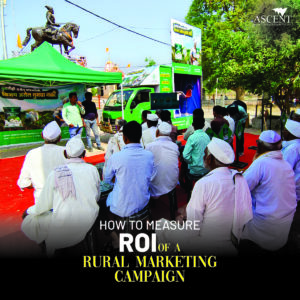
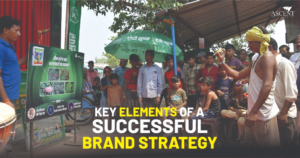
For businesses in agriculture, FMCG, and consumer durables, this opens a market that was previously reachable only through expensive on-ground activation. Mobile campaigns, combined with regional-language content and local call center support, allow brands to build awareness and trust in markets that traditional digital marketing alone cannot reach effectively.
Building a Practical Mobile Marketing Strategy
A mobile marketing strategy does not need to be complex to be effective. A practical starting point includes:
- Audit your digital presence for mobile readiness. Check website load speed, form usability, and checkout flow on an actual mobile device, not just a browser simulator.
- Choose channels based on your customer, not trends. A B2B services business may get more value from WhatsApp and email than from a consumer app.
- Use regional language where relevant. Especially outside metro cities, communication in the customer’s preferred language significantly improves engagement.
- Track a small set of meaningful metrics. Click-through rate, conversion rate, and customer retention matter more than vanity metrics like impressions.
- Test before scaling. Run a campaign with a limited budget across two or three channels, then invest further in whatever performs best for your specific audience.
Businesses that treat mobile marketing as an ongoing, integrated part of their overall Strategic Digital Marketing plan, rather than a one-off campaign, tend to see more consistent results over time.
Frequently Asked Questions
Is mobile marketing only relevant for large brands?
No. Because mobile channels like WhatsApp and SMS have low entry costs, small and mid-sized businesses often see strong returns, particularly in local and regional markets.
Which industries benefit most from mobile marketing in India?
Retail, FMCG, financial services, healthcare, and agriculture-related businesses tend to see the strongest results, largely because their customers rely heavily on mobile devices for both information and transactions.
How is mobile marketing different in rural India compared to urban markets?
Rural mobile marketing typically relies more on regional-language content, SMS, and voice-based engagement, while urban strategies lean more heavily on apps, social commerce, and video content.
Final Thoughts
Mobile marketing in India has moved from being a supporting channel to being the primary way most businesses reach their customers. With over a billion mobile users and continued growth in both urban and rural markets, a business without a clear mobile strategy is leaving a significant part of its potential audience unreached.
If you are looking to build or strengthen a mobile marketing strategy for your business, Ascent’s team can help you identify the right channels and approach for your market. Get in touch with us to discuss your requirements.