When this article was first published in 2020, digital marketing in rural India was an emerging idea. Smartphone adoption was growing, data had become affordable, and brands were beginning to test online channels alongside traditional rural tools such as wall paintings, van campaigns, and haat activations.
Six years later, the picture has changed completely. Digital is no longer an experiment in rural marketing. It is one of the main ways rural consumers discover products, learn about them, compare options, and share recommendations. At the same time, the traditional strengths of rural marketing, such as local presence, trust, and personal interaction, remain as important as ever.
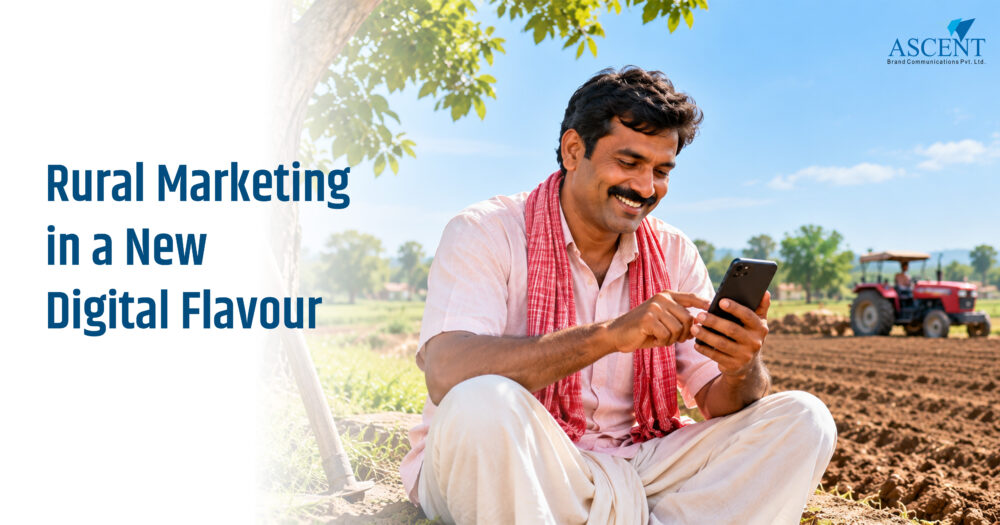
This is the new digital flavour of rural marketing: a blend of online reach and on-ground credibility. This article explains how rural India uses digital today, which channels work best, and how brands can build an effective rural digital marketing strategy.
Key Takeaways
- Rural India now accounts for the majority of the country’s active internet users.
- Short video and regional language content are the strongest drivers of rural digital engagement.
- WhatsApp and local creators play a major role in spreading trust and word of mouth.
- The best results come from combining digital channels with on-ground activation, often called a phygital approach.
How Rural India Went Digital
The growth of rural internet use has been one of the most significant shifts in Indian consumer behaviour.
According to the IAMAI and Kantar Internet in India Report 2025, India now has 958 million active internet users, with rural India making up 57% of them, or around 548 million people. Rural users are no longer a minority online. They are the majority.
Video has become central to how these users consume content. The same report found that 588 million users watched short-video content in 2025, with rural users slightly outnumbering urban users.
Language shapes almost all of this activity. The 2024 edition of the report showed that 98% of internet users access content in Indic languages.
Several factors drove this change: low-cost smartphones, some of the most affordable mobile data in the world, the spread of UPI and digital payments, government digital services, and the rise of creators producing content in regional languages.
Why Digital Now Matters for Rural Marketing
Rural consumption has also remained strong. According to NielsenIQ, rural FMCG volume growth outpaced urban markets for the seventh consecutive quarter in the September 2025 quarter. Growing demand combined with a large digital audience makes rural India a market no brand can afford to approach with outdated methods.
Digital gives rural marketers several advantages that traditional channels cannot provide on their own.
Wider reach at lower cost. Brands can reach consumers across thousands of villages without being physically present in each one.
Continuous presence. Field campaigns are seasonal and time-bound. Digital keeps a brand visible between activations.
Precise targeting. Campaigns can be targeted by region, language, interest, and device, allowing brands to tailor messages to specific audiences.
Measurable results. Views, engagement, enquiries, and app installs can be tracked, helping brands understand what works and adjust quickly.
Understanding the Rural Digital Consumer
Rural digital users behave differently from their urban counterparts, and effective strategies reflect these differences.
Video is preferred over text. Many users find video easier to understand than written content, especially for product demonstrations and instructions.
Devices are often shared. A single smartphone may be used by several family members, so content frequently reaches an entire household.
Voice is increasingly common. Many users search by speaking rather than typing, particularly in regional languages.
Trust is built through people. Recommendations from family, neighbours, local creators, and retailers carry more weight than brand advertising.
Online research, offline purchase. Many rural consumers learn about a product online and then buy it from a local shop or dealer they trust.
Digital Channels That Work in Rural India
YouTube and Short Video Platforms
YouTube and short video apps are among the most widely used platforms in rural India. They are used for entertainment, learning, and product research.
Best uses: Product demonstrations, farmer and customer testimonials, how-to videos, and short stories that reflect local life. For example, a tractor brand can show its machines working in real field conditions, while an agri input company can explain how to protect a crop from a common pest.
WhatsApp is the main channel for sharing content within families, village groups, and farmer communities. A useful message or video can travel across many villages through forwards.
Best uses: Seasonal tips, offers, event announcements, product information, and customer support through WhatsApp Business. Content designed to be helpful is far more likely to be shared than promotional messages.
Facebook and Instagram
Facebook remains relevant in many rural and semi-urban areas, particularly for community groups and local pages. Instagram is growing among younger rural users.
Best uses: Regional community engagement, targeted advertising by district or language, and promotion of local events and activations.
Local Creators and Influencers
Regional creators who make content about farming, village life, cooking, comedy, or technology have built large and loyal rural audiences.
Best uses: Product reviews, demonstrations, and storytelling by creators whose audiences match your target regions. A creator with a smaller but highly trusted local following is often more effective than one with a large national audience.
Voice, IVR, and Missed-Call Campaigns
Not every rural consumer uses data-heavy apps. Voice-based tools remain valuable, especially for older users and those with basic phones.
Best uses: Missed-call campaigns for product information, IVR-based advisory services, and voice messages in local languages.
Digital Payments and Assisted Commerce
UPI and assisted digital services have made it easier for rural consumers to pay and buy. Local shopkeepers and service providers often help customers complete digital transactions.
Best uses: Offers linked to digital payments, partnerships with assisted commerce platforms, and retailer programmes that support digital ordering.
The Phygital Approach: Where Digital Meets On-Ground
The most successful rural brands do not treat digital and on-ground marketing as separate activities. They connect them so that each strengthens the other.
Consider a seed company launching a new variety. It runs field demonstrations in selected villages and invites farmers to see the crop. The demonstrations are filmed and turned into short videos in the local language, featuring the participating farmers. These videos are shared on YouTube and WhatsApp, reaching farmers in hundreds of other villages. Interested farmers then call a missed-call number or visit their local dealer, where the brand’s retailer programme ensures stock and support.
In this model:
- On-ground activity creates proof and trust.
- Digital content extends that proof to a much larger audience.
- Retailers and dealers convert interest into sales.
- Data from digital channels helps plan the next round of field activity.
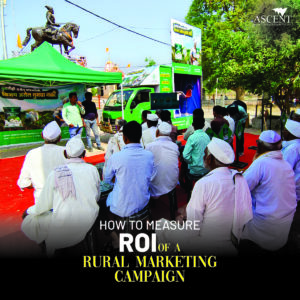
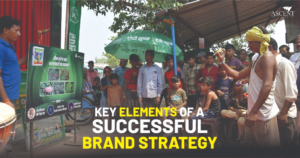
This combination of haat activations, van campaigns, farmer meets, and retailer engagement with digital storytelling is what defines modern rural marketing.
How to Build a Rural Digital Marketing Strategy
1. Start With Regional Insight
Identify your priority states and districts, then understand the languages, platforms, content preferences, and buying patterns in each. What works in western Maharashtra may not work in eastern Uttar Pradesh.
2. Create Content in Regional Languages
Write and produce content natively in the languages your audience speaks. Use simple words, familiar references, and local faces.
3. Lead With Video
Prioritise short videos, demonstrations, and testimonials. Keep them clear, practical, and easy to follow without reading.
4. Offer Useful Content, Not Just Promotion
Advice, tips, and solutions to real problems earn attention and trust. A brand that helps a farmer protect his crop or helps a household save money builds lasting credibility.
5. Work With Local Voices
Partner with regional creators, progressive farmers, SHG members, and retailers who already have the trust of their communities.
6. Plan Around the Rural Calendar
Align campaigns with sowing and harvest seasons, regional festivals, and local events when purchasing power and attention are highest.
7. Connect Online and Offline
Use digital to promote field events and use field events to grow your digital audience. Make sure products are available at local stores when interest peaks.
8. Measure What Matters
Track outcomes that link to business results, not only views and likes.
Measuring Rural Digital Marketing Success
Useful measures for rural digital campaigns include:
- Reach and engagement by region and language
- Video completion rates for demonstrations and explainers
- WhatsApp shares and forwards
- Missed calls, enquiries, and lead quality
- App installs and registrations
- Dealer or retailer walk-ins linked to campaigns
- Sales growth in targeted districts
Combining digital analytics with field data and retailer feedback gives the clearest picture of impact.
Challenges to Plan For
Rural digital marketing is powerful, but it has limitations that brands must account for.
Uneven connectivity. Network quality still varies across regions. Keep video files light and offer offline alternatives such as IVR.
Digital literacy gaps. Some users are new to smartphones or online payments. Simple interfaces and assisted support help.
Misinformation and trust concerns. Rural users are increasingly cautious about fake offers and scams. Clear branding, verified accounts, and local proof build confidence.
Regional complexity. Producing content in many languages requires planning and local expertise. Prioritising key regions helps manage this.
How Ascent Brand Communications Can Help
At Ascent Brand Communications, rural marketing is one of our core areas of expertise. We help brands combine the reach of digital with the trust of on-ground engagement, creating integrated rural campaigns that deliver measurable results.
Our work spans rural campaign management, brand activation, experiential marketing, agri marketing, and digital marketing. From haat activations and farmer meets to regional language video content and creator partnerships, we build strategies where every channel supports the same goal.
Conclusion
Rural marketing has taken on a new digital flavour. Rural India is now online in large numbers, watching videos, sharing content on WhatsApp, and researching purchases on their phones. At the same time, trust, local presence, and personal interaction continue to shape buying decisions.
Brands that succeed in rural India today are those that bring both worlds together: useful, regional language digital content supported by strong on-ground engagement and reliable availability at local stores.
If you are planning to reach rural consumers through digital and on-ground channels, [get in touch with Ascent Brand Communications] to build a rural marketing strategy suited to your brand.
Frequently Asked Questions
What is rural digital marketing?
Rural digital marketing uses online channels such as YouTube, short video platforms, WhatsApp, social media, and voice-based tools to reach consumers in villages and small towns, usually through regional language content.
Is digital marketing effective in rural India?
Yes. Rural India accounts for 57% of India’s active internet users, and rural users are highly engaged with video and regional language content. Digital is most effective when combined with on-ground activation.
Which digital platforms work best for rural audiences?
YouTube and short video platforms are widely used for entertainment and learning. WhatsApp is the main channel for sharing content within communities. Facebook remains relevant in many regions, and voice-based tools help reach users with basic phones.
What is phygital marketing in rural India?
Phygital marketing combines physical, on-ground activities such as haat activations, demonstrations, and farmer meets with digital channels. On-ground work creates trust, while digital content extends that trust to a much wider audience.
Why is regional language content important for rural marketing?
Almost all internet users in India access content in Indic languages. Content in the audience’s own language is easier to understand, feels more trustworthy, and performs better than translated or English-only content.
How can brands measure the success of rural digital campaigns?
Beyond views and likes, brands should track enquiries, missed calls, WhatsApp shares, app installs, dealer walk-ins, and sales growth in targeted regions.