India is often described as one market, but for anyone marketing in rural areas, it behaves more like dozens of markets. Language, culture, festivals, crops, media habits, and buying patterns change from one state to the next, and sometimes from one district to the next.
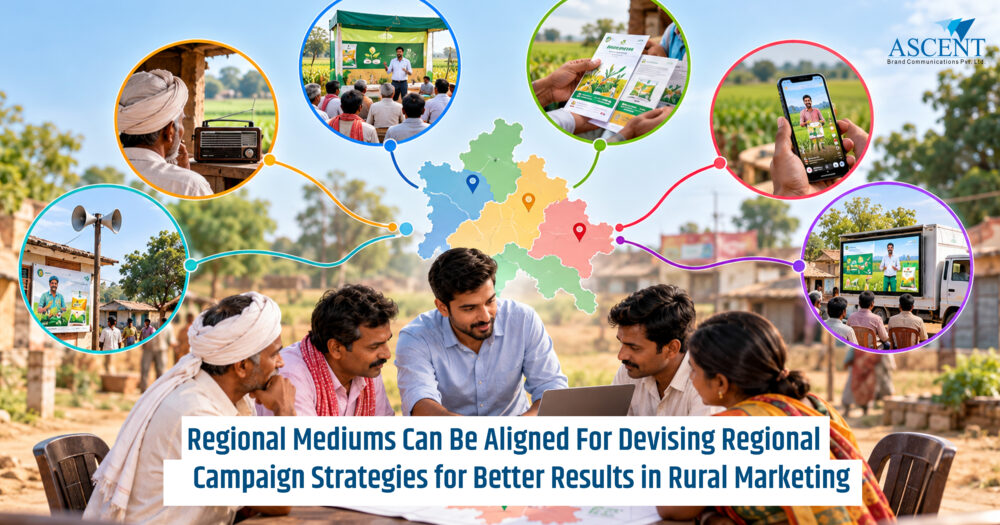
This is why regional mediums matter. A campaign that combines regional television, local radio, regional newspapers, wall paintings, haat activations, and regional language digital content can reach rural audiences far more effectively than a single national campaign translated into several languages.
The challenge is not choosing one medium over another. It is aligning them so that each medium plays a specific role and reinforces the same message. This article explains the regional media landscape in rural India today and how to align these mediums into a regional campaign strategy that delivers better results.
Key Takeaways
- Rural India is highly diverse, so campaigns work best when they are planned region by region.
- Each regional medium has a distinct strength: some build reach, some build trust, and some drive action.
- Digital has become a major regional medium, with rural users now forming the majority of India’s internet audience.
- The best rural campaigns align traditional, on-ground, and digital mediums around one consistent message.
- Local insight, timing, and measurement are what turn a media plan into real results.
Why Regional Campaigns Deliver Better Results in Rural India
Rural consumers respond most strongly to communication that feels familiar. When a message uses their language, reflects their surroundings, and arrives through channels they trust, it is more likely to be understood, remembered, and acted upon.
Language preference is especially strong. The IAMAI and Kantar Internet in India Report 2024 found that 98% of internet users in India access content in Indic languages. The same preference applies offline, where regional television, radio, and newspapers remain important sources of information and entertainment.
Rural literacy has improved significantly, rising from 67.77% in 2011 to 77.50% in 2023-24 for people aged seven and above. Even so, spoken, visual, and demonstration-based communication continues to reach rural audiences more effectively than text-heavy messaging.
Regional campaigns also allow brands to plan around local realities, such as harvest seasons, regional festivals, weekly haats, and state-specific events, which have a direct impact on purchasing power and attention.
Understanding the Regional Media Landscape
Each regional medium plays a different role in a rural campaign. Understanding their strengths is the first step to aligning them.
Regional Television
Regional general entertainment channels, news channels, and free-to-air platforms such as DD Free Dish reach large rural audiences. Television builds mass awareness and credibility, particularly for new product launches and brand-building campaigns.
Best for: Wide reach, brand recall, and emotional storytelling.
Radio and Community Radio
Private FM stations, All India Radio, and community radio stations reach listeners at home, in fields, in shops, and while travelling. Community radio is especially valuable because it is run locally and trusted by its listeners.
Best for: Frequent reminders, local announcements, agricultural advisory, and reaching audiences with limited access to other media.
Regional Newspapers
Regional language newspapers remain influential in many parts of rural and semi-urban India, particularly among farmers, traders, and community leaders.
Best for: Detailed information, offers, event announcements, and credibility among opinion leaders.
Outdoor and Wall Paintings
Wall paintings, hoardings on rural roads, bus shelters, and shop branding create lasting visibility in villages and market towns. Wall paintings in particular are cost-effective and often remain visible for months.
Best for: Continuous brand presence and reminders near the point of purchase.
On-Ground Activation
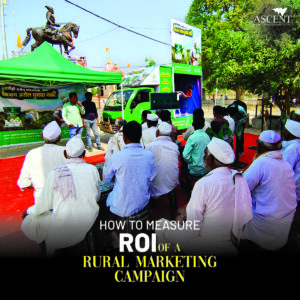
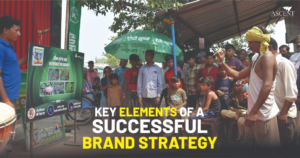
Haat and mela activations, van campaigns, product demonstrations, farmer meets, and community events bring the brand directly to the consumer. They allow people to see, touch, and try products and ask questions in person.
Best for: Trust, product trial, direct engagement, and word of mouth.
Folk and Traditional Media
Street theatre, puppetry, folk songs, and local storytelling forms remain effective for delivering messages in a culturally familiar and entertaining way, especially for social and awareness campaigns.
Best for: Awareness, behaviour change, and engaging audiences in a relatable format.
Point of Sale and Retailer Engagement
Village kirana stores, agri input dealers, and rural retailers are among the most important influencers at the moment of purchase. Posters, danglers, display units, and retailer programmes keep the brand visible and recommended.
Best for: Conversion at the point of purchase.
Regional Digital Media
Rural India is now a major digital audience. According to the IAMAI and Kantar Internet in India Report 2025, rural India accounts for 57% of India’s active internet users, or around 548 million people. Regional language content on YouTube, short video platforms, regional social apps such as ShareChat, WhatsApp, and Facebook reaches rural consumers directly on their phones.
Best for: Targeted reach, video demonstrations, community sharing, and extending on-ground campaigns to a wider audience.
Voice, IVR, and Missed-Call Campaigns
Voice-based tools help reach users with basic phones or limited data and allow brands to share information in local languages.
Best for: Lead generation, product information, and advisory services.
Regional Mediums at a Glance
| Medium | Main Strength | Best Campaign Role |
| Regional television | Mass reach and credibility | Awareness and brand building |
| Radio and community radio | Frequency and local trust | Reminders and local information |
| Regional newspapers | Detail and credibility | Offers, announcements, opinion leaders |
| Wall paintings and outdoor | Long-lasting visibility | Continuous presence near purchase points |
| On-ground activation | Direct interaction and proof | Trial, trust, and word of mouth |
| Folk media | Cultural connection | Awareness and behaviour change |
| Point of sale and retailers | Influence at purchase | Conversion |
| Regional digital media | Targeting and shareability | Engagement, amplification, lead generation |
| Voice and IVR | Accessibility | Enquiries and information |
How to Align Regional Mediums Into One Campaign Strategy
1. Start With Regional Insight
Before planning media, understand each target region in detail. Identify the languages and dialects spoken, the main crops and income sources, key festivals, weekly haat days, media habits, and the retailers and influencers people trust. This research should shape every decision that follows.
2. Define Clear Objectives by Region
Objectives may differ across regions. In a new market, the priority may be awareness and trial. In an established market, it may be increasing share or driving repeat purchases. Clear objectives make it easier to choose the right mix of mediums.
3. Build One Core Message, Adapted Locally
Create a single, simple core message for the campaign, then adapt it for each region’s language, culture, and references. Consistency builds recall, while local adaptation builds relevance.
4. Assign a Role to Each Medium
Every medium in the plan should have a defined purpose. For example:
- Regional television and radio create awareness.
- Wall paintings and outdoor media keep the brand visible.
- Haat activations and demonstrations build trust and drive trial.
- Regional digital content extends reach and keeps people engaged.
- Retailer engagement converts interest into sales.
When each medium has a clear job, the campaign works as a system rather than a set of separate activities.
5. Sequence the Campaign
Timing matters as much as the media mix. A typical sequence might look like this:
- Pre-launch: Wall paintings, retailer briefings, and radio teasers build early visibility.
- Launch: Regional television, radio, and digital campaigns create a peak in awareness.
- Engagement: Haat activations, van campaigns, and demonstrations bring the brand to villages.
- Amplification: Videos and stories from the field are shared on YouTube, short video platforms, and WhatsApp.
- Conversion: Point-of-sale materials, retailer incentives, and offers encourage purchase.
6. Align With the Rural Calendar
Plan the campaign around sowing and harvest cycles, regional festivals, and local events, when purchasing power and attention are at their highest.
7. Connect Offline and Online
Link mediums so that each one drives people to the next. Use missed-call numbers and QR codes on wall paintings and posters, promote upcoming activations on radio and WhatsApp, and turn on-ground events into digital content.
8. Measure and Optimise
Track results by region and by medium, and adjust spending and activities based on what performs best.
An Illustrative Example: Launching an Agri Input Product Across Two Regions
Consider an agri input company launching a new crop protection product in two regions with different languages and cropping patterns.
Regional insight: Research shows that farmers in the first region grow mainly soybean and trust local dealers, while farmers in the second region grow mainly cotton and rely heavily on YouTube and WhatsApp for farming advice.
Core message: One simple benefit, protecting the crop from a common pest for longer, adapted into each region’s language with local farmers and settings.
Media alignment:
- Local radio and community radio spots explain the product in each region’s language before the pest season.
- Wall paintings near key dealer outlets and on village roads create steady visibility.
- Demo plots and farmer meets show results in real field conditions.
- Short videos featuring participating farmers are shared on YouTube and WhatsApp, with heavier investment in the second region.
- Dealer training and point-of-sale materials ensure that retailers can explain and recommend the product.
- A missed-call number on all materials captures farmer enquiries for follow-up.
Outcome to track: Farmer enquiries, demo participation, dealer orders, and sales by district, compared across regions to refine the next season’s plan.
This example shows how the same product can require different media weights in different regions, while the core message stays consistent.
How to Measure Regional Campaign Performance
Useful measures include:
- Reach and frequency by region and medium
- Number of villages, haats, and consumers covered through activations
- Product trials, demonstrations, and event participation
- Missed calls, enquiries, and lead quality
- Engagement with regional digital content, including shares on WhatsApp
- Retailer stocking and point-of-sale visibility
- Brand awareness and recall through field surveys
- Sales growth in target districts
Comparing results across regions helps identify which media combinations work best in each market.
Common Mistakes in Regional Campaign Planning
- Translating a national campaign instead of adapting it to local culture
- Treating all rural regions as the same
- Relying on a single medium, whether television, digital, or activation
- Running mediums in isolation without a shared message or timeline
- Ignoring the agricultural and festive calendar
- Launching communication before products are available in local stores
- Measuring only reach instead of business outcomes
Ascent in Practice: A Regional Campaign Example
Client: [Client name or industry]
Regions covered: [States or districts]
Challenge: [The business or awareness problem the client faced]
Media mix: [Regional mediums used, such as radio, wall paintings, haat activations, van campaigns, and regional digital content]
How the mediums were aligned: [Core message, sequencing, and role of each medium]
Results: [Measurable outcomes, such as reach, enquiries, trials, or sales growth]
How Ascent Brand Communications Can Help
At Ascent Brand Communications, rural and regional marketing is one of our core areas of expertise. We help brands understand regional audiences and design integrated campaigns that bring together traditional media, on-ground activation, and regional language digital communication.
Our services cover rural campaign management, brand activation, experiential marketing, agri marketing, and digital marketing. From haat activations and van campaigns to regional radio, wall paintings, and video content, we plan each medium to play a clear role in achieving your campaign goals.
Conclusion
Rural India rewards brands that respect its diversity. Regional television, radio, newspapers, outdoor media, on-ground activation, folk media, retailer engagement, and regional digital platforms each have a distinct role to play. When these mediums are aligned around one clear message, planned around local insight, and connected to each other, they deliver far better results than any single channel on its own.
For brands serious about rural growth, regional campaign planning is not an extra step. It is the foundation of effective rural marketing.
If you are planning a regional or rural campaign, [get in touch with Ascent Brand Communications] to build a media strategy suited to your markets.
Frequently Asked Questions
What are regional mediums in rural marketing?
Regional mediums are communication channels that reach audiences in their local language and context. They include regional television, radio and community radio, regional newspapers, wall paintings, on-ground activations, folk media, point-of-sale materials, and regional language digital platforms.
Why are regional campaigns important for rural marketing?
Rural India varies widely in language, culture, festivals, crops, and media habits. Regional campaigns make communication more relevant and trustworthy, which leads to better understanding, recall, and action.
How do you align different regional mediums in one campaign?
Start with regional insight, define one core message, adapt it locally, assign a clear role to each medium, sequence activities over time, connect offline and online channels, and measure results by region.
Is digital media effective for regional rural campaigns?
Yes. Rural India now accounts for the majority of India’s active internet users, and regional language video and messaging platforms are widely used. Digital works best when combined with on-ground activation and traditional regional media.
What is the role of on-ground activation in regional campaigns?
On-ground activities such as haat activations, van campaigns, and product demonstrations build trust, allow product trial, and create word of mouth. They also generate content that can be shared through digital channels.
How can brands measure the success of regional campaigns?
Track reach by medium and region, activation coverage, trials, enquiries, digital engagement, retailer stocking, brand recall, and sales growth in target districts.