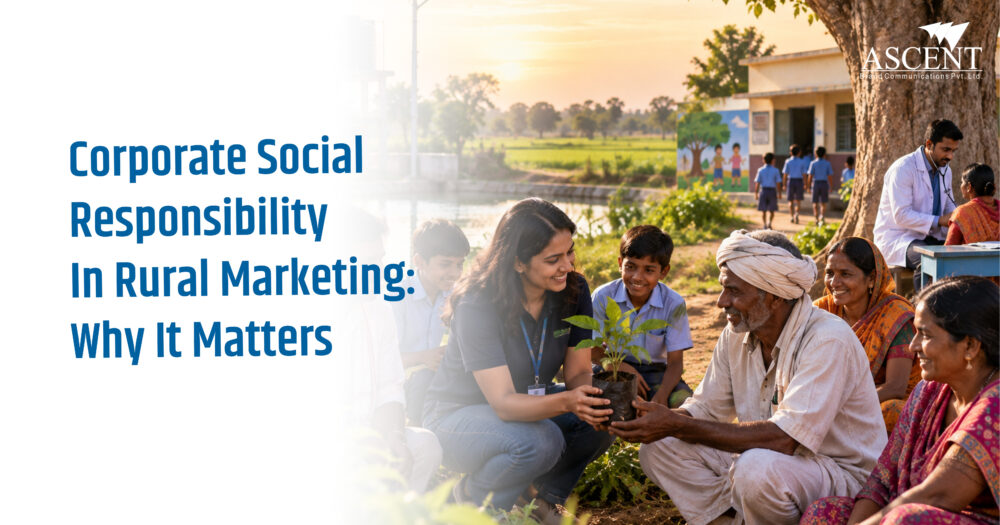
Corporate Social Responsibility, or CSR, is about companies helping society. Since 2014, the Indian government has made CSR a mandatory requirement under Section 135 of the Companies Act, making it clear to corporations that business growth should support social responsibility without fail.
Companies need to think about people and the planet too. In rural areas of India, this kind of help can make a significant difference, since people in these places often do not have easy access to things like clean water or schools.
CSR can change this by bringing education and health services where they are needed most. It is also good for the business itself. Doing good improves a company’s image, supports sales, and helps employees feel proud to work there.
Now let us explore why caring for society matters and how it benefits everyone involved.
Challenges and Opportunities of CSR in Rural India
Rural India faces many difficulties when it comes to Corporate Social Responsibility. Yet, these challenges also open doors for positive change.
Limited access to basic services
In rural areas, many people lack access to basic services. This includes clean water, healthcare, and education. Such limitations affect the quality of life for residents and hinder their development.
Businesses targeting rural markets should see this as an opportunity, since investing in CSR activities can help provide these essential services. Improving a brand’s image alongside the region’s infrastructure creates a better business environment. Companies that engage in social impact initiatives often attract loyal customers and skilled employees.
Agricultural dependency
Agriculture plays a vital role in rural India. Many people depend on farming for their livelihoods. This reliance on agriculture creates unique challenges for businesses targeting these markets.
Farming can be affected by weather changes, market fluctuations, and other factors. CSR can help address some of these issues.
Businesses have the chance to support sustainable agriculture practices through CSR initiatives. By investing in education and training programs, companies can help farmers improve their skills.
Providing access to finance allows farmers to invest in better tools and seeds. These actions not only boost productivity but also enhance community welfare.
Infrastructure disparities
Infrastructure disparities in rural areas greatly hinder growth. Many villages lack basic services like roads, electricity, and water supply. This makes it hard for businesses to operate effectively.
Poor access limits market opportunities and stalls rural development.
CSR can help bridge this gap. By investing in infrastructure projects, companies can improve community life. Better roads and services lead to more business activity.
This benefits both the local population and a company’s image. Building strong connections in these markets fosters ethical marketing practices too.
Limited skill development opportunities
Limited skill development opportunities are a major issue in rural India. Many people lack access to training programs that can help them learn new skills. This gap hinders their ability to find better jobs and improve their lives.
Businesses targeting rural markets can play a key role here. By investing in skill building programs, companies can help build essential skills within the community.
Developing local skills also strengthens the economy and boosts entrepreneurship in rural areas. These efforts support communities while providing companies with a skilled workforce, creating new market opportunities for the business.
Environmental sustainability
Environmental sustainability is key to success in rural marketing. Many businesses depend on natural resources, which makes it vital to protect the environment. CSR helps promote sustainable practices.
By focusing on eco-friendly solutions, businesses contribute to reducing pollution and preserving biodiversity.
Implementing sustainable agriculture practices can benefit both the community and the business. These methods improve crop yields while protecting soil health and water sources.
Access to finance and entrepreneurship
Access to finance is a major hurdle for many in rural India. People often lack the money needed to start or grow their businesses. CSR can help bridge this gap.
Businesses can invest in financial literacy programs and microfinance initiatives. These steps encourage entrepreneurship and support local economies.
Supporting small-scale farmers and artisans is vital too. They need access to funds and training for better practices. Products sourced from skilled artisans can command premium pricing, and businesses built around these products have shown strong results. Sustainable business models promote growth while helping communities thrive and enjoy an improved quality of life.
Areas To Bring Positive Change Through CSR in Rural India
CSR can bring significant benefits to rural India. It can improve education, healthcare, and sustainable farming methods in these communities.
Education initiatives
Education initiatives are key to improving rural communities. Businesses targeting rural markets in India can play a big role here. Investing in education helps build skills and knowledge among the youth, which leads to better job opportunities and a stronger economy.
The Nand Ghar initiative by Vedanta aims to reduce child malnutrition while empowering women through education and skill development. Established in partnership with the Union Ministry of Women and Child Development, Nand Ghars serve as centers for early childhood education and women’s entrepreneurship training. By modernizing Anganwadi centers across India, this project addresses malnutrition while also promoting economic independence among women.
Healthcare interventions
Healthcare interventions are vital for rural marketing. Many people in rural areas have limited access to healthcare services. By investing in health camps, workshops, and awareness programs, a business can help bridge this gap.
Sustainable agriculture practices
Sustainable agriculture practices are vital for CSR in rural marketing. They help farmers improve their yields while being kind to the environment. This approach reduces chemical use, promotes better soil health, and encourages crop diversity, all of which can lead to higher incomes.
Companies can support these practices through training and resources. Providing education on eco-friendly methods builds stronger communities. Many farmers benefit from learning about organic farming and water management techniques.
Take the case of Tata Trusts, which have implemented various CSR initiatives aimed at empowering rural communities and enhancing agricultural productivity. Their Lakhpati Kisan program focuses on improving farmers’ incomes through sustainable agricultural practices and access to better resources. In Mizoram, Tata Trusts initiated a five-year project to develop alternative livelihoods for farmers, promoting practices like crop diversification and livestock management.
Infrastructure development
Infrastructure development is vital for rural marketing. Rural areas often lack basic services like roads, electricity, and water supply. This hinders growth and makes life difficult for people.
Investing in infrastructure can change this. Good roads help farmers reach markets easily, and reliable power allows businesses to operate better.
CSR can drive these changes because it supports economic projects that benefit society, and it aligns with the mandatory CSR practices established under the Companies Act, 2013, amended by the Companies (Amendment) Act, 2014, in India. Companies focusing on infrastructure projects show that they care about local communities.
These actions lead to improved quality of life and create new market opportunities for businesses in rural areas.
Community engagement and empowerment
Community engagement and empowerment are vital for CSR in rural marketing. This approach allows businesses to connect deeply with local communities. It fosters trust and builds strong relationships.
By investing in education initiatives, companies boost skills and knowledge, which leads to better job opportunities for locals.
HUL has been a pioneer in rural marketing and CSR initiatives since the 1970s. Its Project Shakti, launched in 2000, empowers rural women by training them to become micro-entrepreneurs who sell HUL products in their communities. This initiative enhances the economic status of these women while also improving access to essential goods in remote areas. By 2021, Project Shakti had reached over 100,000 villages, directly impacting the livelihoods of thousands of women and fostering community development through entrepreneurship.
Building on this same Shakti Amma network, HUL later commissioned Ascent to produce a series of animated educational videos for its Swacch Gaon Mission, a rural cleanliness initiative focused on waste management and hygiene awareness across village communities. You can read the full details of this collaboration in our case study, Power of Women’s Network: Ascent’s Video Production Campaign for HUL.
Revitalizing traditional crafts and industries
Revitalizing traditional crafts and industries boosts local economies. It creates jobs and preserves culture. CSR in rural marketing can help artisans gain recognition, leading to better income for families as people buy unique handmade products.
Creating training programs is key to improving skills in traditional crafts. Supporting local industries also attracts more business opportunities. By investing in these areas, companies show they care about community development, which strengthens brand image while making a positive impact on society.
The Role of CSR and Ethics in Marketing
CSR and ethics play a key role in marketing. They help businesses connect with customers on a deeper level. Socially responsible companies gain trust and loyalty from their audience.
Enhancing company and brand image
CSR helps enhance a company’s brand image. It shows that a business cares about the community, which can build trust with customers and stakeholders. Studies show that companies known for social responsibility have better market opportunities, more loyal customers, and a stronger overall brand reputation in rural markets.
Attracting and retaining employees
Being socially responsible helps a company attract and retain employees. Many workers want to join companies that care about the community, and CSR in rural marketing demonstrates that commitment to development, making the brand more appealing.
A good reputation can draw talent from nearby areas. When people see a company’s CSR efforts, they feel proud to be part of it and are more likely to stay if they believe in its mission.
Increased Market Opportunities
CSR in rural marketing can significantly boost market opportunities. This approach connects businesses to local communities and aligns products with the needs of rural customers. Companies investing in social and economic projects tend to win customer trust more easily. When customers see a brand helping their community, they are more likely to buy from it. Through CSR, businesses can tap into emerging rural markets across India that are actively seeking quality goods and services that improve their lives.
Ascent’s own CSR-adjacent work reflects the same principle in practice. Beyond the HUL Swacch Gaon Mission videos referenced above, Ascent has also produced CSR-focused content such as a CSR video for Pahal Theatre, sponsored by ARL Infratech Ltd, demonstrating how CSR-driven storytelling can be built directly into a brand’s rural marketing communication rather than run as a separate initiative.
Conclusion
Thus we see how CSR initiatives can effectively contribute to rural marketing strategies while fostering community development. By integrating social responsibility, companies like HUL, Tata Trusts, Reliance Foundation, and Vedanta, to name a few, are not only enhancing their brand value but also playing a crucial role in uplifting rural communities across India. Such initiatives highlight the potential for corporate engagement to drive sustainable development in underserved regions. In conclusion, being socially responsible boosts brand image and attracts talent, and it makes sound business sense.
FAQs
What is Corporate Social Responsibility (CSR)?
CSR is a business approach where companies integrate social, environmental, and ethical practices into their operations to contribute positively to society. It focuses on sustainability and community welfare while maintaining profitability.
What is CSR with an example?
CSR involves actions like reducing carbon footprints or supporting education. For example, the Tata Group in India funds healthcare, education, and rural development through the Tata Trusts, making a significant social impact.
What is corporate social responsibility and why does it matter?
CSR matters because it builds trust, enhances brand reputation, and fosters community development. Companies that prioritize CSR gain customer loyalty and employee satisfaction, contributing to long-term success.
Why is corporate social responsibility important in marketing?
CSR strengthens brand image and differentiates businesses in competitive markets. Ethical marketing attracts socially conscious consumers, increases engagement, and promotes sustainable business practices.
What are the CSR activities in rural development?
CSR initiatives in rural areas include improving infrastructure, providing clean water, supporting education, promoting digital literacy, and implementing sustainable agriculture practices to uplift rural communities.
Written by the Ascent Strategic Rural Marketing Team. Ascent Brand Communications has worked in rural and semi-urban marketing for more than 25 years, partnering with brands such as HUL, Tata Trusts, and other national and regional clients on CSR-linked and community-focused campaigns across agriculture, FMCG, and allied sectors. This article draws on that direct campaign experience alongside published CSR research and reporting.