
A few years ago, social media was seen as an urban marketing channel. Brands targeting rural India relied mainly on wall paintings, van campaigns, haat activations, and local radio. Digital was an add-on at best.
That picture has changed. Affordable smartphones and low-cost data have brought hundreds of millions of rural Indians online, and many of them now spend a significant part of their day watching videos, chatting on messaging apps, and following creators who speak their language. For brands, this has opened a direct line to rural consumers that did not exist a decade ago.
This article looks at how rural India uses social media today, highlights brands that are connecting well with rural audiences, and outlines practical lessons for businesses planning their own rural digital strategy.
Key Takeaways
- Rural India now makes up the majority of the country’s active internet users.
- Short video and regional language content are the strongest drivers of rural engagement.
- Successful brands focus on usefulness, trust, and real stories rather than polished advertising.
- The most effective rural strategies combine social media with on-ground activation.
How Rural India Uses Social Media Today
The scale of rural internet adoption is significant. According to the Internet in India Report 2025 by IAMAI and Kantar, India has 958 million active internet users, and rural India accounts for 57% of them, or around 548 million people.
Video is central to how these users consume content. The same report found that 588 million users, or 61% of India’s internet population, watched short-video content in 2025, with rural users slightly outnumbering urban users.
Language is equally important. The 2024 edition of the report noted that 98% of internet users access content in Indic languages. For a brand, this means content in Hindi, Marathi, Telugu, Tamil, Punjabi, Bhojpuri, and other regional languages is not a translation exercise. It is often the primary way to be understood.
A few patterns stand out among rural social media users:
- YouTube and short video platforms are used for entertainment, learning, and product research. Farmers, for example, often watch demonstration videos before buying equipment or inputs.
- WhatsApp is the main channel for sharing content within families, village groups, and farmer communities. A useful video can travel far through forwards.
- Shared devices are common, so content often reaches an entire household rather than one individual.
- Trust matters more than polish. Content featuring real people, familiar settings, and local voices tends to perform better than studio-produced advertising.
Rural Brands Doing Well on Social Media
The brands below take different approaches, but each has found a way to connect with rural and semi-urban audiences online.
1. Mahindra Tractors
Mahindra has long been one of the most recognised names in Indian agriculture, and its social media presence reflects a clear understanding of its audience. Its channels feature product demonstrations, farmer testimonials, and field-level content that shows how its tractors perform in real working conditions.
What works: The content answers practical questions a farmer asks before a purchase, such as performance, fuel efficiency, and suitability for specific crops or terrain. Showing real farmers using the product builds credibility that a standard advertisement cannot.
2. Swaraj Tractors
Swaraj has built a strong emotional connection with farmers, particularly in North India. Its communication often draws on pride, hard work, and the identity of the Indian farmer.
What works: Swaraj combines emotional storytelling with product information. By positioning the farmer as the hero of the story, the brand creates content that people want to share within their communities.
3. DeHaat
DeHaat, an agritech platform that provides farm inputs, advisory services, and market linkages, uses social media as an extension of its advisory role. Its content focuses on crop care, pest management, and seasonal farming guidance.
What works: The brand leads with useful knowledge rather than promotion. When a farmer learns something valuable from a video, trust in the brand grows naturally, and product recommendations become more credible.
4. BharatAgri
BharatAgri, another agritech company, has invested in regional language video content that explains farming practices in simple terms. Its videos address specific crops and common problems that farmers face during the season.
What works: Specificity. Content about managing a particular pest in cotton or improving yield in soybean speaks directly to a farmer’s immediate needs, which makes it far more engaging than general advice.
5. Amul
Amul is a brand with deep roots in rural India through its cooperative model, which connects millions of dairy farmers. Its long-running topical advertisements, which comment on current events with humour, have translated well to social media and are widely recognised across urban and rural audiences.
What works: Consistency. Amul’s recognisable style and regular topical content have kept the brand culturally relevant for decades, and its cooperative story gives it authenticity among rural consumers.
6. Fevicol
Fevicol’s advertising is known for humour rooted in everyday Indian life, often set in small towns and villages. Its films are widely shared online and are easily understood regardless of language or literacy level.
What works: Visual storytelling that relies on situation and humour rather than long explanations. This approach travels well on platforms like WhatsApp and YouTube, where content is shared across a wide range of audiences.
7. IFFCO
IFFCO, one of India’s largest fertiliser cooperatives, uses its digital channels to share information on its products, agricultural practices, and farmer outreach programmes. Its promotion of newer products such as nano fertilisers has relied heavily on education and demonstration.
What works: When introducing an unfamiliar product to rural consumers, explanation and proof are essential. Educational content helps reduce hesitation and builds confidence in new solutions.
What These Brands Do Differently
Looking across these examples, a few common principles emerge.
They speak the audience’s language. This applies to both the actual language used and the tone. Content is simple, direct, and free of marketing jargon.
They prioritise usefulness. Many successful rural brands act as a source of knowledge first and a seller second. Advisory content earns attention and trust over time.
They show real people. Farmer testimonials, village settings, and local voices make content relatable. Rural audiences are quick to notice when content feels staged or disconnected from their reality.
They use video. Demonstrations, stories, and explainers in video format suit how rural users consume content and allow information to reach users with varying literacy levels.
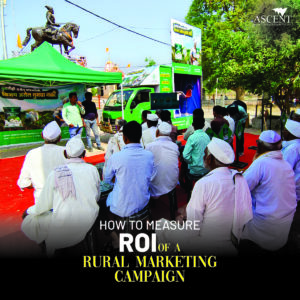
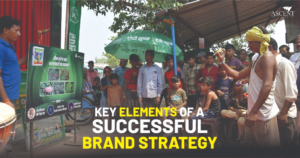
They connect online and offline. Social media works best when it supports field activities such as demo days, krishi melas, dealer events, and village-level activations. A farmer who sees a product demonstration in his village and then watches a related video at home is far more likely to remember the brand.
Practical Lessons for Brands Targeting Rural India
If you are planning a rural social media strategy, these steps can help you get started on the right foundation.
- Research your audience by region. Buying habits, crops, festivals, and language vary significantly across states. A single national campaign rarely works equally well everywhere.
- Create content in regional languages. Start with the languages spoken in your priority markets and write the content natively rather than translating English copy.
- Focus on video. Short demonstrations, testimonials, and explainers usually outperform static posts with rural audiences.
- Work with local creators. Regional creators and progressive farmers who already have the trust of their communities can introduce your brand more credibly than paid advertising alone.
- Plan for WhatsApp sharing. Create content that people will want to forward, such as seasonal tips, useful reminders, or relatable stories.
- Align content with the agricultural and festive calendar. Sowing seasons, harvest periods, and regional festivals are natural moments for relevant communication.
- Integrate with on-ground activity. Use social media to amplify field events and use field events to drive people to your digital channels.
- Measure beyond likes. Track enquiries, dealer visits, missed calls, app installs, and regional sales to understand what content actually influences decisions.
Common Mistakes to Avoid
Brands new to rural digital marketing often make similar errors. The most common include using urban creative with a simple translation, relying on polished studio content that feels distant, posting promotional content without offering any value, and treating social media as separate from the brand’s on-ground presence. Each of these weakens trust, which is the most important asset a brand can build with rural consumers.
How Ascent Brand Communications Can Help
At Ascent Brand Communications, rural marketing is one of our core areas of expertise. We help brands understand rural consumers, design region-specific communication, and execute campaigns that combine on-ground activation with digital engagement.
Our work covers rural campaign management, brand activation, experiential marketing, and digital marketing, which allows us to build strategies where field activities and social media support each other. Whether you are introducing a new product to farmers or expanding an established brand into new regions, we start with a clear understanding of the audience and the market.
Conclusion
Rural India is no longer an offline market. It is one of the fastest-growing digital audiences in the world, with its own preferences, languages, and platforms. The brands doing well here are those that treat rural consumers with respect, offer genuinely useful content, and connect their digital presence with real, on-ground engagement.
For businesses willing to invest in understanding this audience, social media offers an opportunity to build trust and loyalty at a scale that was not possible before.
If you are planning to reach rural consumers through digital and on-ground channels, [get in touch with Ascent Brand Communications] to discuss a strategy suited to your brand and markets.
Frequently Asked Questions
Is social media effective for reaching rural consumers in India?
Yes. Rural India now accounts for more than half of the country’s active internet users, and rural users are highly engaged with video and regional language content. Social media is most effective when combined with on-ground activities.
Which social media platforms work best for rural marketing?
YouTube and short video platforms are widely used for entertainment and learning, while WhatsApp is the most common channel for sharing content within communities. Facebook also remains relevant in many regions. The right mix depends on your audience and category.
What type of content works best for rural audiences?
Video content in regional languages performs well, particularly product demonstrations, testimonials from real users, practical advice, and relatable stories. Useful content generally performs better than direct promotion.
Should brands use influencers for rural marketing?
Local creators and progressive farmers can be very effective because they already have the trust of their communities. Choosing creators whose audience matches your target region matters more than choosing those with the largest following.
How can brands measure the success of rural social media campaigns?
Beyond likes and views, brands should track actions such as enquiries, missed calls, dealer visits, app installs, event participation, and sales in target regions.
Why should rural social media be combined with on-ground marketing?
Rural buying decisions are strongly influenced by trust and personal experience. On-ground activities provide direct interaction and product proof, while social media extends reach and keeps the brand visible between activations.