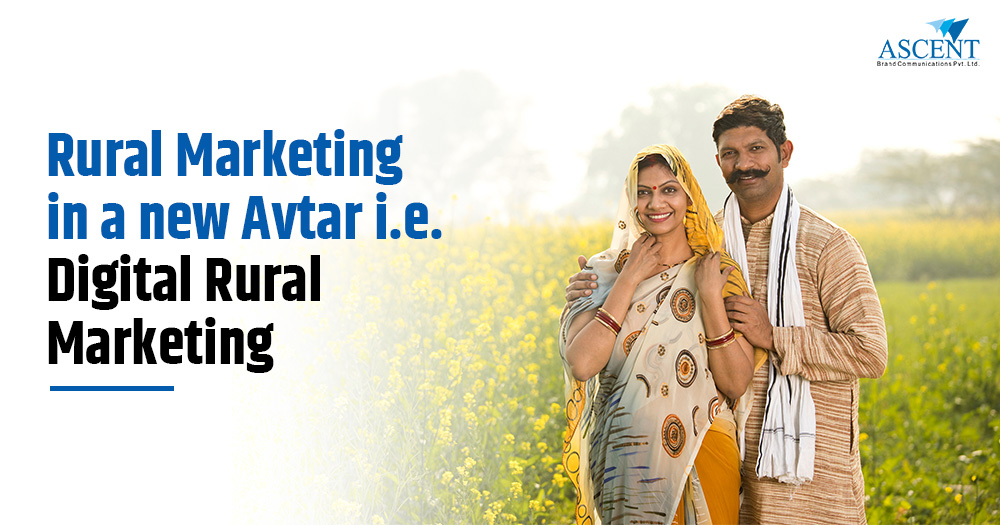
Facebook, YouTube, and Instagram are very popular among rural youth, who use these platforms not only for entertainment but for education and upskilling.”
TikTok has been banned in India since June 2020 and should not appear anywhere in the article as a current platform reference. Instagram Reels and YouTube Shorts have become the dominant short-form video destinations for the audience this article originally attributed to TikTok, so Instagram is the accurate substitute rather than simply deleting the reference.
Visual Support Recommendations
The article currently relies entirely on text for nine separate case studies, with only embedded video links and no supporting images, charts, or pull quotes. Recommended additions:
- A results snapshot graphic or simple table after each major case study (UPL, Bioseed, PAN Seeds, Prestige, Ankur, Stanley Earth, cattle feed brand, MP Fertility Centre, Gautam Solar), pulling out the 3 to 4 headline numbers already in the text, for example reach, engagement, and enquiries, so readers can scan results without reading every paragraph
- A comparison table summarizing all campaigns by category, states covered, and top result metric, placed near the top of the case study section as an at-a-glance overview
- Section break images or icons between the five case study subgroups to visually separate categories, since right now the transitions between unrelated brands run together
- Pull quotes highlighting the strongest individual results (for example, the Wari solar campaign generating 35 lakh in enquiries, or PAN Seeds reaching 164,000 farmers) to break up long paragraphs
Content Notes
The case study content itself is strong and should be retained largely as written, since it demonstrates real campaign results across a genuinely wide range of categories, agri-inputs, cattle feed, roofing, solar, and healthcare. A few light edits worth making alongside the platform fix:
- The phrase “amid pandemic times” in the PAN Seeds case study is a dated timestamp that should either be removed or replaced with the actual year for clarity, since the article no longer states when these campaigns ran
- The MP Fertility Centre section correctly avoids naming real patients or making unverifiable medical claims and should stay as is
- Video links (“Watch Prestige Cattle Feed Case Study Video” etc.) should be checked to confirm they still resolve to live videos before republishing.
Conclusion (retain structure, tighten close)
These case studies mark real milestones in rural marketing, not isolated wins. Many marketers still underestimate how deeply rural audiences have adopted digital channels and how actively they share content within their own communities. Understanding this shift, and partnering with a rural marketing agency that genuinely understands rural consumer behavior, culture, and local context, is what separates brands that capture this opportunity from those still marketing to an outdated picture of rural India.
FAQ Section
Is digital rural marketing effective for agri-input brands specifically?
Yes. Campaigns for UPL, Shriram Bioseed, and PAN Seeds in this article show strong lead generation and farmer engagement through vernacular social media and mobile marketing.
Which platforms work best for rural digital campaigns today?
Facebook and YouTube remain central, with Instagram now filling the short-form video role TikTok once played before its 2020 ban in India.
Do these results generalize across product categories?
The case studies span agri-inputs, cattle feed, roofing, solar, and healthcare, suggesting the approach works broadly when the content strategy and language are tailored to the specific audience and category.
What makes vernacular content so important in these campaigns?
Nearly every case study here credits local-language content, Hindi, Marathi, Gujarati, Tamil, and others, as a key driver of engagement and trust with rural audiences.