
In a market as dynamic and diverse as India, a solid brand strategy is the backbone of any successful organization. It’s about building a connection, telling a story, and making sure your audience not only recognizes you but also feels something for what you offer. And in India, where culture, values, and consumer behavior are constantly evolving, getting this right is more crucial than ever.
So, what exactly goes into crafting a brand strategy that ensures success, especially in the Indian context? Let’s explore the key elements that make a brand not just survive, but thrive.
Understanding Your Brand’s Core
Before you even think about reaching out to customers, you need to look inward. What does your brand stand for? What’s its purpose? In short, an effective strategy establishes a clear connection between consumers and the brand, communicating its values and offering a continuous experience .
Defining Your Purpose and Vision
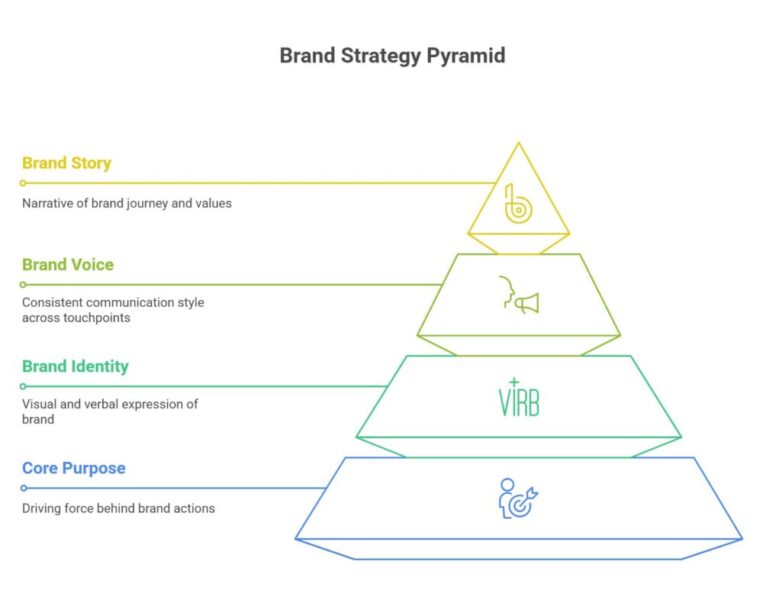
Every successful brand has a clear purpose. Is it to solve a problem? To inspire? To entertain? Your brand’s purpose should be the driving force behind everything you do. A brand’s vision is its long-term ambition, while its mission describes the core reason for its existence, highlighting its worth to customers and society.
For instance, consider a brand like Complan. It started as a medical nutrition drink, but over time, it reinvented itself to address the broader aspiration of children’s growth, effectively repositioning its purpose in the minds of Indian consumers.
Unpacking Your Brand Identity
Your brand identity is the visual and verbal expression of who you are. It’s your logo, your color palette, your typography, and even the tone of your communication. Brand identity encompasses everything, right from your business name, the visual elements that define your brand, your logo and colors to the aesthetic of your photography and your social media handles.
Imagine if a brand you love suddenly changed its logo every other month, or its messaging changes across various platforms. You’d be confused, right? That’s why a strong brand identity, often guided by a detailed style guide, is non-negotiable.
The Power of Your Brand Voice and Story
Your brand voice is how your brand sounds when it communicates. Is it friendly, authoritative, playful, or serious? This voice needs to be consistent across all touchpoints. The brand voice represents the company’s personality, tone, and communication style, resulting in a unique connection with the audience. Coupled with this is your brand story – the narrative of your journey, your values, and your goals. A compelling brand story emotionally engages the target audience and set you apart from competitors.
Knowing Your Audience: The Indian Consumer
India is not homogeneous. It’s a complex mix of cultures, languages, and economic strata. What works in one region doesn’t work in another. Therefore, a successful brand strategy in India demands a deep understanding of its diverse consumer base.
Demographics, Psychographics, and Behavior
Understanding your target audience is the very first step in building a brand from scratch. This involves exploring their demographics (age, income, location), psychographics (values, attitudes, lifestyles), and behavior (how they shop, what influences them). For instance, the luxury market in India is seeing a significant rise, driven by a young, affluent Gen Z population that is open to new brands but also values subtlety and family approval in their purchasing decisions. This is a far cry from a one-size-fits-all approach.
Cultural Nuances and Local Adaptation
In India, cultural nuances are paramount. As IBEF emphasizes, for Indian brands looking to succeed internationally, adapting products to incorporate cultural differences is of utmost importance. This applies equally within India. See how brands need to adapt their messaging to resonate with local tastes, habits, and even religious or social beliefs.
Positioning and Competition
Once you understand your brand and your audience, the next step is to figure out where you fit in the market. This is your brand positioning.
Defining Your Unique Selling Proposition (USP)
Your USP is what makes you different and better than your competitors. It’s the unique value you offer that no one else can. This could be your price, quality, innovation, or even emotional appeal. In a crowded market like India, a clear and compelling USP is essential to cut through the noise.
Analyzing the Competitive Landscape
Knowing your competitors is not about copying them; it’s about understanding their strengths and weaknesses, and identifying opportunities to differentiate yourself. Studying competitors’ branding and business developments can help you identify differentiating factors and incorporate them into your own strategy to gain a loyal following.
Connecting with Consumers
Even the best brand strategy won’t succeed if it doesn’t reach its intended audience effectively. This is where marketing comes in, and in today’s digital age, it’s a constantly evolving field.
The Rise of Influencer Marketing
In India, influencer marketing has become a game-changer and growing exponentially. This means brands need to move beyond conventional advertising and develop authentic partnerships with influencers. The power of word-of-mouth in a digital format.
Navigating the Attention Economy
The digital landscape has created what’s known as the attention economy,” where consumer attention is fleeting and fragmented. Brands are no longer just competing with direct rivals; they’re competing with every piece of content for a consumer’s limited attention span. This means your marketing efforts need to be highly engaging, relevant, and delivered through the right channels.
Rise of Voice and Vernacular
In a country as linguistically diverse as India, the importance of voice and vernacular cannot be overstated. A staggering 90% of India appreciates voice and vernacular in how brands communicate with them. This highlights the need for brands to move beyond English-only communication and embrace regional languages and local dialects.
On-Ground Activations and Experiential Marketing
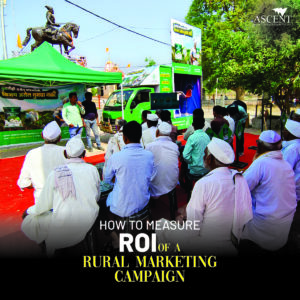
While digital marketing is crucial, the physical world still holds immense power in India. On-ground activations and experiential marketing, such as product sampling, interactive installations, or community events are vital components of a holistic brand strategy. These direct interactions allow consumers to experience the brand firsthand, developing deeper connections and building trust.
The Rise of Sonic Branding
Beyond visual and textual communication, sound is emerging as a powerful tool in brand strategy. Sonic branding, the strategic use of sound to reinforce brand identity, is gaining traction. Think of the distinctive jingles or audio logos that instantly bring a brand to mind. In a world saturated with visual stimuli, a unique sound can cut through the clutter and create a lasting impression.
Building Trust and Authenticity
In an age of information overload and skepticism, trust and authenticity are invaluable. Indian consumers, particularly the younger generations, are increasingly discerning and value brands that are transparent, socially responsible, and genuinely connect with their values. A strong brand strategy prioritizes building genuine relationships with consumers.
The Role of Brand Strategy Consulting
Expert brand strategy consultants like Ascent Brand Communications can:
- Conduct market research
- Develop a compelling brand narrative
- Formulate effective marketing and communication plans
- Navigate regulatory and cultural landscapes
- Measure and optimize performance
Conclusion
Whether you’re a startup or an established enterprise, investing in a robust brand strategy is an investment in your future success. It’s about building something that truly resonates, stands the test of time, and makes a meaningful impact in the hearts and minds of millions.